Why Content Systems Outperform Creativity in 2026
For years, creativity was treated as the ultimate differentiator in content marketing.
If you could think of better ideas, write better headlines or design better visuals, you won. Creativity was the engine. Everything else was secondary.
That era is ending.
In 2026, the brands that win will not be the most creative. They will be the most consistent. And consistency at scale does not come from inspiration. It comes from content systems.
This shift is not about lowering the bar. It is about raising the floor.

Feb 17, 2026
Creativity Creates Moments. Systems Create Momentum.
Creativity is unpredictable by nature. It depends on:
time
energy
motivation
mood
context
That is not a flaw. It is simply how humans work. The problem is that modern content demands do not care about human variability. Platforms reward consistency. Audiences reward familiarity. Algorithms reward repetition.
A brand that posts sporadically, no matter how creative, loses ground to a brand that shows up clearly and repeatedly. Content systems exist to solve this mismatch. They remove dependence on daily inspiration and replace it with structure.
What a content system actually is
A content system is not a calendar.
It is not a prompt library.
It is not an AI writing tool.
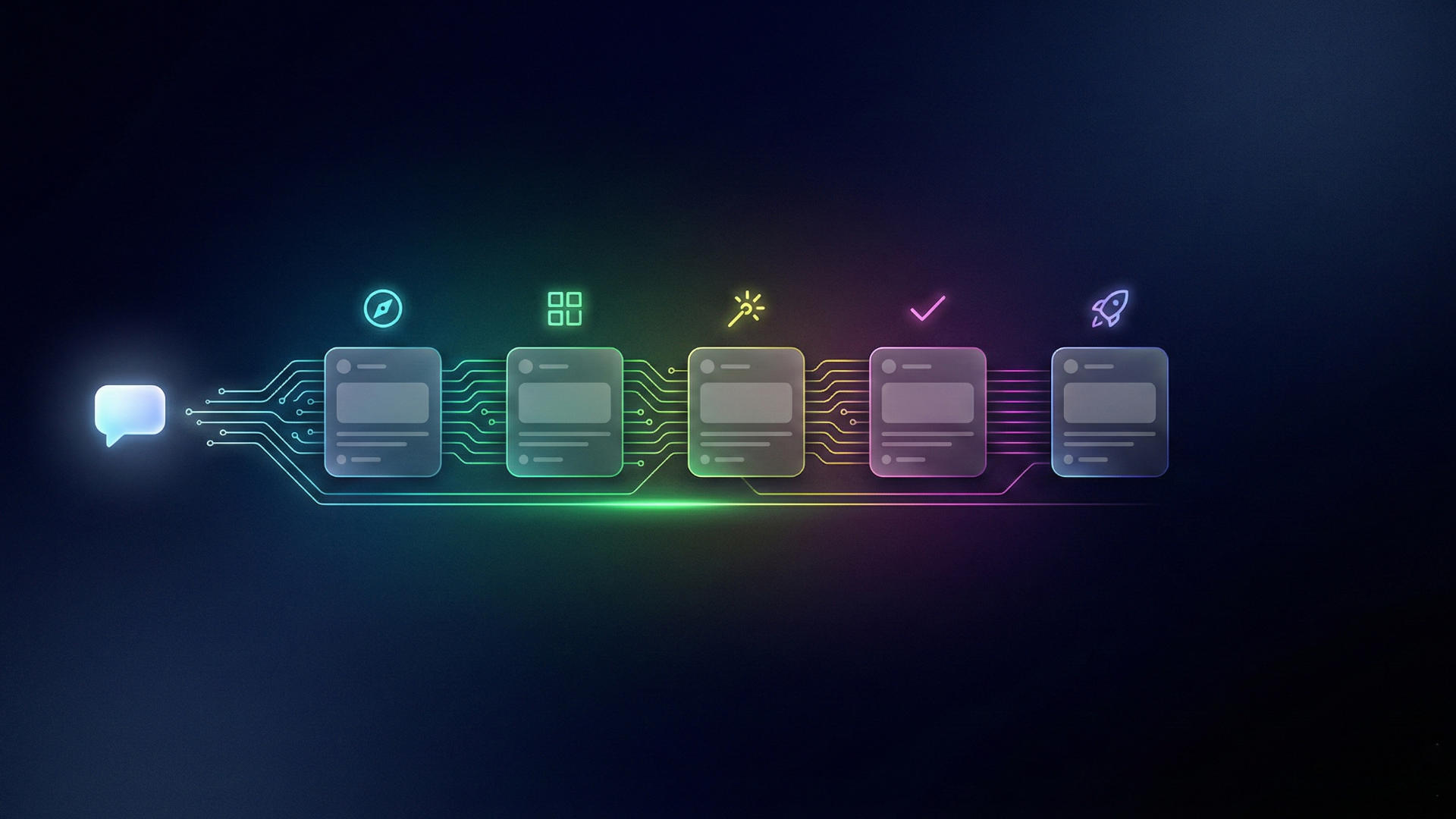
A content system is a decision framework that answers questions before content is ever created.
What topics matter
Who they are for
What tone is acceptable
How opinions are expressed
How often content should appear
What gets repeated and what gets retired
In contrast to ad hoc creation, content systems are operational frameworks that connect strategy, governance and execution into a repeatable model. This distinction between systems and sporadic creativity is well established in industry thinking, as outlined in this explanation of what content systems are and why they matter.
Once these decisions are made once, they do not need to be made again. This is why systems outperform creativity. They eliminate decision fatigue.
Content as infrastructure, not output
Most brands still treat content as output.
A post, a blog and/or a campaign.
High-performing brands treat content as infrastructure. Infrastructure compounds. Output expires. When content is infrastructure:
ideas are reusable
performance improves over time
brand voice stabilises
teams move faster with less effort
The mental model shift is what most organisations miss, it is this same systems-first thinking also underpins how we approach personal branding. We explore why sustainable personal brands in 2026 are built on structure rather than constant creativity here.
The role of AI in content systems
AI did not change the need for content systems. It exposed the absence of them. Without a system, AI produces:
generic content
inconsistent tone
surface-level ideas
brand drift
With a system, AI becomes leverage. Modern AI content systems operate with human in the loop oversight. Strategy, tone and judgment stay human, execution becomes assisted, this is exactly what CRISP Content Engine allows brands to use AI in a systematic way.
This is how brands scale without hallucination, risk or loss of identity.

Why creativity alone leads to burnout
Burnout rarely comes from writing, it comes from deciding. Every piece of content asks the same questions again:
What should we say
Is this on brand
Is this useful
Is this worth publishing
When these questions are unanswered systemically, they are answered emotionally, it's exhausting. Content systems front-load decisions so creators can stay in flow.
This is why sustainable content creation is not about discipline. It is about design.
What brands that win in 2026 will do differently
They will:
design content systems before creating content
separate strategy from execution
use AI with constraints, not freedom
repeat what works instead of chasing novelty
optimise for recognition, not virality
Creativity still matters. But it lives inside the system, not instead of it.
Where CrisP Digital fits
At CrisP Digital, we build content systems, not just content.
We help brands:
define strategy once
codify tone and voice
design repeatable workflows
deploy AI safely and effectively
scale content without losing clarity
This is not about posting more. It is about building content that compounds.
In the years ahead, creativity will not be what separates brands. Systems will. The brands that invest in structure now will make content look easy later, not because it is easy, but because the hard work was done upfront.

Related Stories




Let’s build something that works better together.
Whether you need a new website, stronger marketing, better SEO, CRM implementation or practical AI enablement, CrisP Digital can help.