Personal Branding in 2026 Is a Systems Problem, Not a Creativity Problem
For years, personal branding advice has focused on confidence, visibility and storytelling. Post more. Be authentic. Share your journey.
In 2026, that advice is no longer enough.
The people who are winning are not more expressive or more motivated. They are more consistent. And consistency at scale is no longer a mindset challenge. It is an operational one.
Personal branding has quietly become a systems problem.

Feb 17, 2026
The shift most people have not noticed yet
The way people evaluate credibility has changed.
Before a call, a pitch or a hiring decision, people now scan your digital footprint. They do not read everything. They pattern match. They look for signals that repeat.
Do you show up regularly.
Do you talk about the same problems.
Do you have a point of view.
Does your thinking evolve over time.
If those signals are present, trust is created before the first interaction. If they are not, the opportunity often never materialises.
This is why sporadic posting no longer works. It creates noise without reinforcing identity.
Why effort-based personal branding breaks down
Most professionals approach personal branding as an effort problem.
They sit down when they have time. They write when they feel inspired. They disappear when work gets busy. Then they restart with renewed motivation, only to repeat the same cycle.
This fails for a simple reason. Brands are built through repetition, not intensity.
Posting ten times in one week and then going silent for a month does not compound. It resets.
The issue is not ability. It is friction.
The real constraint is decision fatigue
The hidden cost of content creation is not writing. It is deciding.
What should I post.
Which platform should I prioritise.
Is this on brand.
Have I already said this.
Is this worth sharing.
These decisions add cognitive load. Over time, that load competes with real work. When pressure increases, content is the first thing to be dropped.
This is why the most effective personal brands now operate with predefined systems.
The platforms that still matter and why
Despite constant change, three channels continue to define strong personal brands.
LinkedIn remains the primary credibility layer. It is where professionals assess thinking, experience and relevance. It rewards clarity and first-hand insight.
X remains the fastest feedback loop. It allows ideas to be tested, refined and distributed quickly. It sharpens positioning.
Long-form content, whether blogs or articles, creates depth. It becomes a reference point. It compounds through search and increasingly through AI discovery systems.
The key insight is that these channels should not compete for effort. They should feed each other.
From content creation to content architecture
The most successful personal brands now treat content as architecture.
They define a small number of themes.
They decide the tone once.
They document what they do and why.
They reuse ideas across formats.
Instead of asking what to post today, they ask what system will produce aligned content every month.
This is the difference between a personal brand that feels fragile and one that compounds quietly over time.
Why generic AI content fails in practice
AI has removed the friction of writing, but it has not solved the branding problem.
Most AI-generated content fails because it lacks context. Without clear positioning and boundaries, AI produces output that is technically correct but strategically empty.
The result is content that sounds professional but says nothing distinctive.
AI becomes powerful only when it is constrained by strategy.
The role of AI in modern personal branding
In 2026, AI is no longer a novelty. It is infrastructure.
The most effective use of AI is not to replace thinking, but to systemise execution. Strategy remains human. Perspective remains human. AI handles consistency, repetition and scale.
This is where AI-supported content systems outperform manual effort.
Where CRISP Content Engine fits
This shift is exactly why CRISP Content Engine exists.
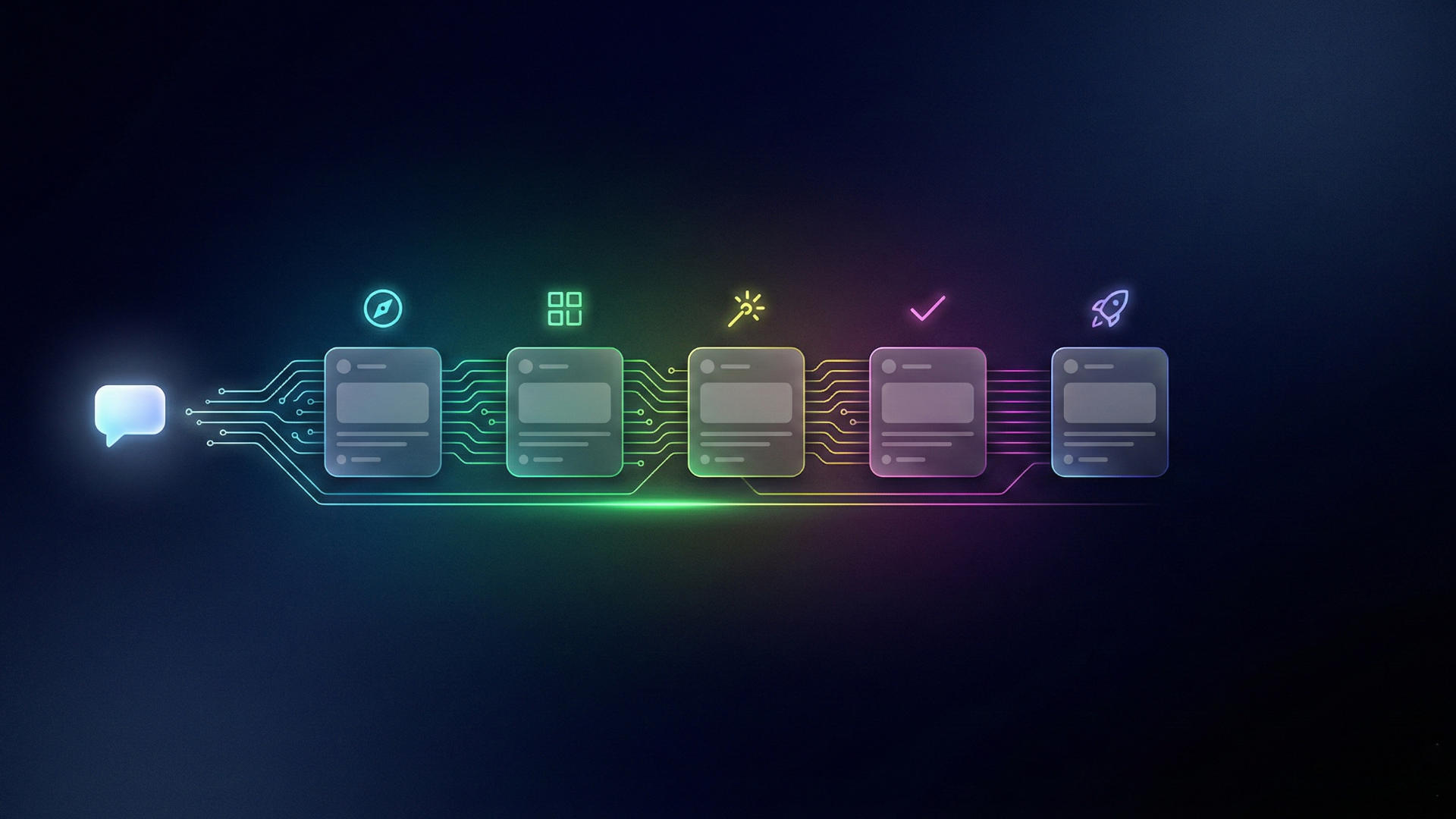
Rather than acting as a writing assistant, it operates as a content system. It learns brand tone, positioning and strategic intent, then produces consistent content across LinkedIn, X and long-form formats.
The outcome is not more content. It is reliable presence.
Entire months of content can be created, reviewed and scheduled in structured sessions, removing daily friction and decision fatigue.
This allows founders, operators and leaders to maintain visibility without sacrificing focus on their core work.
Learn more about how it works here:
https://www.crispdigital.io/crisp-content-engine
Why this matters for businesses, not just individuals
Personal branding is no longer confined to individuals building an audience.
Businesses increasingly grow through visible leadership. Founder-led content, executive insight and consistent thought leadership now outperform many paid channels in trust and efficiency.
When content becomes systematic, it turns into a data asset. Performance can be measured. Themes can be refined. Messaging becomes sharper over time.
This is where organic presence stops being a side project and starts becoming part of the growth engine.
The long-term advantage
Personal branding compounds slowly, then suddenly.
A post written today may influence a hiring decision months later. An article published this quarter may attract opportunities for years.
But compounding only happens when consistency is maintained.
In 2026, the advantage will belong to those who remove friction, reduce decision fatigue and operate with systems instead of motivation.
That is the future of personal branding. And it is already here.

Related Stories




Let’s build something that works better together.
Whether you need a new website, stronger marketing, better SEO, CRM implementation or practical AI enablement, CrisP Digital can help.